What's the difference between a traditional and an AI-based NGFW?
A traditional NGFW relies on predefined rules and signatures; the AI-based type uses inline machine learning to analyze behavior and detect unknown zero-day threats.
Why rule-based firewalls no longer suffice and how AI stops zero-day threats with inline deep learning, sandboxing, and encrypted-traffic inspection.

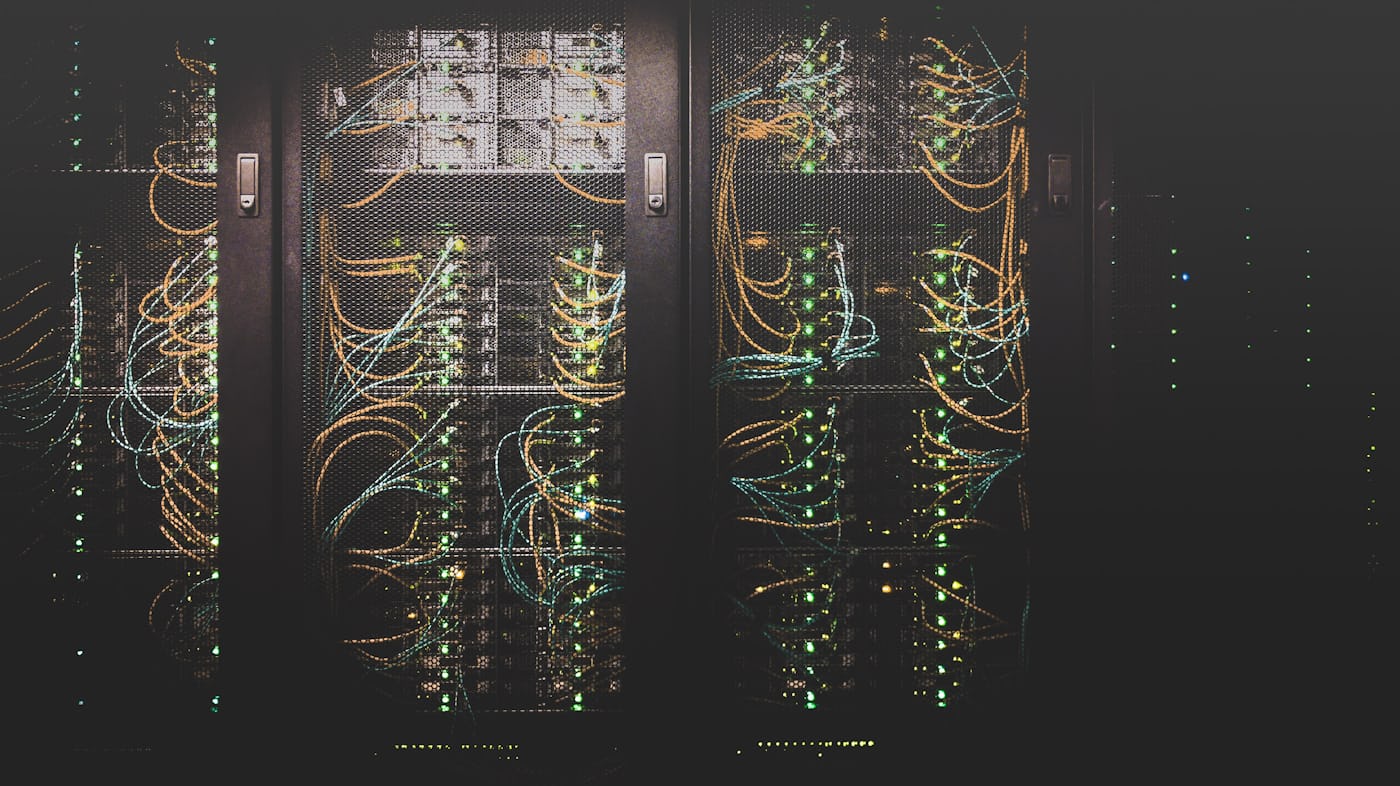
In 2026, the firewall is no longer a static, rule-based perimeter barrier; it has become a dynamic data-ingestion point that needs advanced machine learning to translate network packets into operational threat intelligence.

Attacker dwell time from initial compromise to lateral movement has fallen from 10 days in 2021 to under 24 hours in 2026. Rule-based firewalls cannot update that fast. AI closes the gap with real-time behavioral analysis.
In next-gen NGFWs, AI is embedded directly in the inspection engine, analyzing traffic patterns, file behavior, and network telemetry in real time to detect both known malware signatures and unknown zero-day threats through behavioral analysis. Three key technologies:
Today most web traffic is encrypted, and attackers hide precisely there. AI firewalls use TLS decryption and inspection to reveal threats concealed in encrypted traffic. Combining sandboxing, DPI, and inline learning creates layered protection that adapts automatically to new techniques.
AI reduces manual monitoring and dramatically speeds incident response. The security team shifts from triaging thousands of alerts to investigating the handful the AI engine flags as genuinely anomalous — less alert fatigue, more focus on real threats.
A traditional NGFW relies on predefined rules and signatures; the AI-based type uses inline machine learning to analyze behavior and detect unknown zero-day threats.
Decryption has a compute cost, but accelerator hardware and selective, risk-based decryption manage the performance impact.
A suspicious file or link is executed in an isolated environment to observe its malicious behavior before it reaches the user, and then block it.
Follow the related articles in this category and round out your organization's security strategy.
A 2026 buyer's guide to AI-based NGFWs; comparing the approaches of Palo Alto, Fortinet, Check Point, Zscaler, and Netskope by architecture and use case.
How the NGFW converges into SASE with SD-WAN, ZTNA, and a secure web gateway — and why ZTNA is a baseline in 2026, not a premium add-on.
A comprehensive guide to AI agents in 2026: building blocks, ReAct and multi-agent design patterns, MCP and A2A standards, governance, and real use cases in banking and security.